
Make a Difference
Greater Gliders

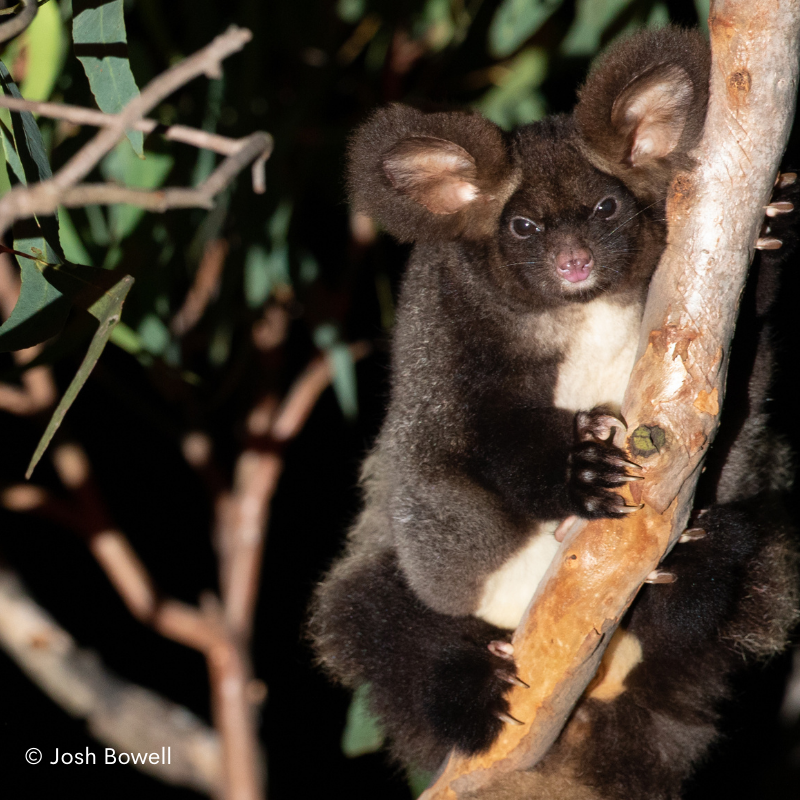
The greater glider is Australia’s largest gliding mammal, using a furry membrane from elbows to ankles and a long tail as a rudder to glide through eucalypt forests. Nocturnal and equipped with bright eyes, fluffy ears, and thick fur in shades from white to black, they thrive in hollow-bearing trees along the east coast.
Once abundant in Queensland, New South Wales and Victoria, greater gliders were listed as Endangered in 2022. Over the past two decades, their populations have plummeted by up to 80% in some places due to habitat destruction from deforestation, logging and increasingly severe bushfires fuelled by changing climate. The disappearance of greater gliders from our forests highlights the urgent need for conservation measures to protect them and their forest homes.
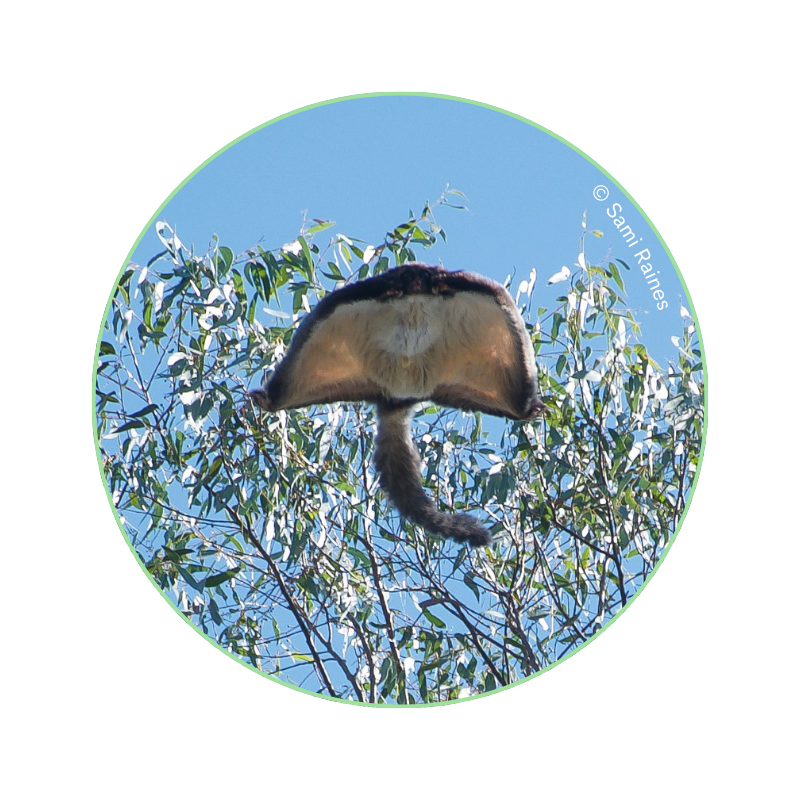
Habitat Loss
As logging, agricultural and urban developments encroach into old-growth forests, greater gliders are among many native animals being pushed out of their natural homes. With tree hollows becoming increasingly scarce, greater gliders are forced to spend more time on the move, leaving them exposed and vulnerable to attacks from predators.
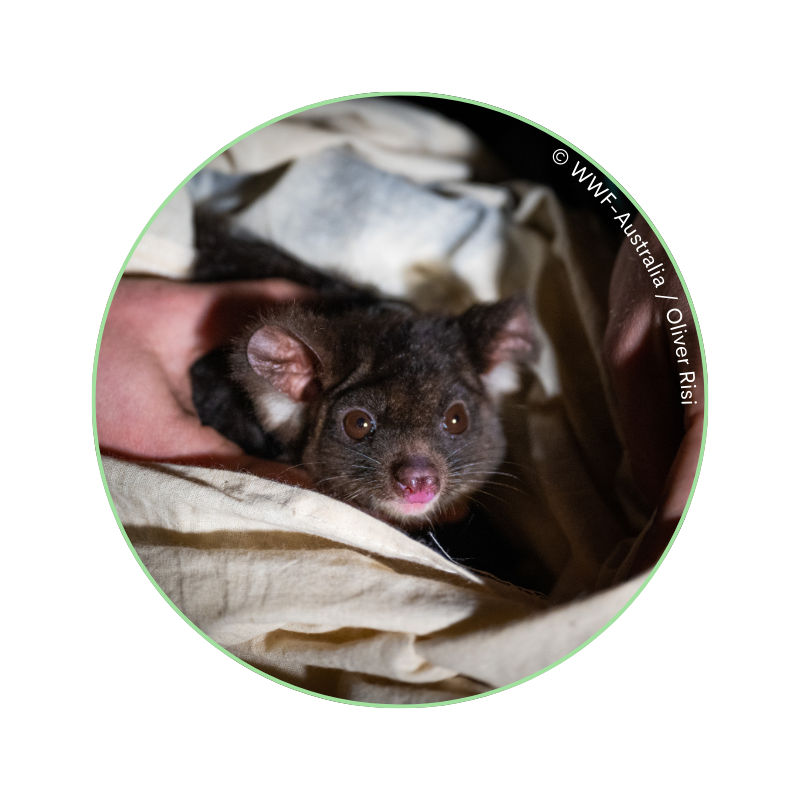
Climate change
Climate change is driving more frequent and severe disasters like bushfires and floods, threatening forest wildlife, including greater gliders. Greater gliders are particularly sensitive to heat and as our climate changes and temperatures rise, it can impact their habitat, food quality and feeding patterns, leading to increased stress and vulnerability.
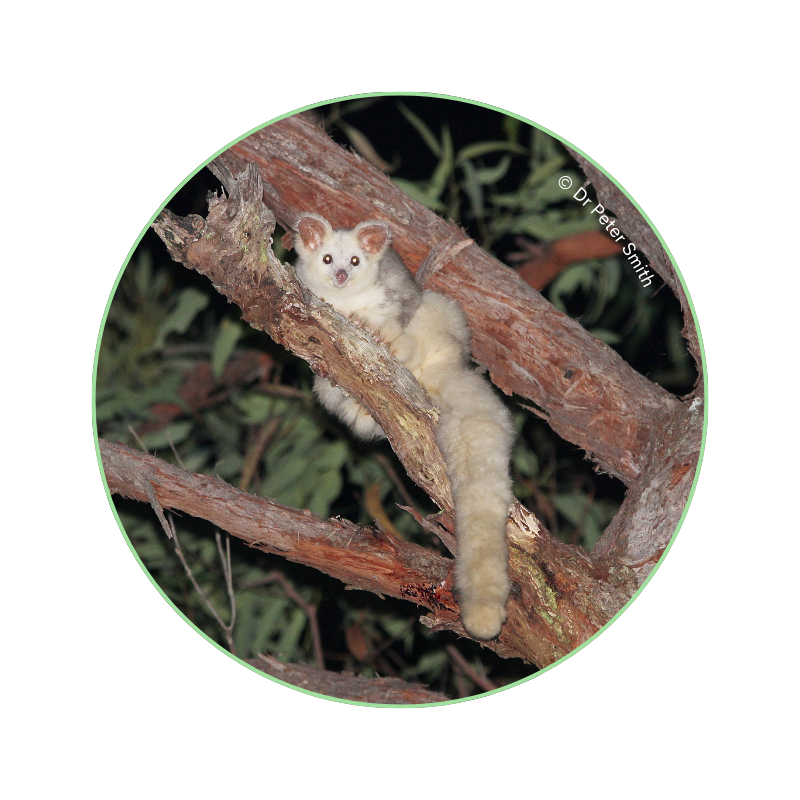
Droughts
Drought poses a significant threat to greater gliders and other forest-dwelling animals. Rising temperatures lead to dry conditions, increasing the risk of bushfires, eucalyptus dieback and diminishing water and food sources. As droughts grow in frequency, so does the danger to greater gliders.
 Sika Australia just donated $500.00
 Maddison just donated $54.12
 Legato Tai Chi just donated $506.05
 Anonymous just donated $100.00
 Jennings just donated $11.65
- Barbara Marcouillier just donated $54.12
 Goodstart Seymour just donated $121.00
 Alana Broughton just donated $12.11
 Anandita just donated $33.15
- Nora just donated $33.15
 Jane Entwistle just donated $54.12
 Jenny B just donated $54.12
 Anonymous just donated $22.58
 Anonymous just donated $106.12
- Trudi just donated $11.65
- Ran xx just donated $43.60
 Jasmine Loi-Hing just donated $11.65
 Genevieve TitOv just donated $22.58
 Lizzy Blackley just donated $10.00
 Jill Blick just donated $54.12
why it matters
Beyond their adorable appearance and impressive acrobatic abilities, greater gliders play a crucial role as indicators of forest health. Typically found in tall, healthy forests, they help researchers gauge the overall well-being of the ecosystem.
Sadly, with greater glider populations dwindling due to deforestation, climate change and human interference, it’s not just their survival at risk. Over 800 other forest-dependent animals share their habitat and face the same threats.
Helping Paws
What WWF is doing to support greater gliders
Regenerative Country is our program to protect and restore species and habitats, aiming to turn Australia from a deforestation to a reforestation nation. We work with communities to regenerate vital landscapes and safeguard culturally significant species, including the iconic greater glider.

NEST BOXES
The 2019–20 bushfires devastated greater glider habitats. To help them survive, WWF-Australia partnered with Australian National University and Greening Australia to create ‘goldilocks’ nest boxes. These specialised nest boxes provide a lifeline shelter to tree hollows while the forest is recovering. By 2022, over 230 boxes were installed across NSW and Victoria, and within months, gliders began using them, offering hope for their future.
TALLAGANDA STATE FOREST
Tallaganda State Forest in NSW, a vital refuge for greater gliders after the 2019–20 fires, holds some of the highest densities of the species. In 2022, WWF-Australia installed hi-tech nest boxes here to aid recovery. But in August 2023, logging began despite its critical importance. With partners and supporters, WWF secured three stop-work orders, halting logging since then. However, other sections remain at risk, and WWF is urging the federal government to strengthen protections and close loopholes threatening this habitat.
TOWARD TWO BILLION TREES
As part of our mission to Regenerate Nature, we aim to save and grow Two Billion Trees by 2030. Australia has the highest deforestation rate in the developed world, and this must change. Trees are vital for life, combat climate change, and provide homes for wildlife like greater gliders. We’re working with partners to protect forests and restore habitats so this iconic species thrives for generations.
Helping Paws
WHAT CAN YOU DO TO HELP?

Join Challenge 60 and fundraise to help protect and restore nature.
Your generosity through Challenge 60 will serve as a beacon of support for conservation and animal advocacy and help ensure greater gliders thrive in our forests for generations to come.
By raising $150, you can help provide special nest boxes for greater gliders to survive in Australia's warming climate.
Together, we’re hopping towards a brighter future for our unique greater gliders!
Species bio
Common Name
Greater glider
Scientific Name
Petauroides volans (southern and central greater glider)
Petauroides minor (northern greater glider)
Indigenous Name
pan’ka - Ugarapul (Qld)
bank’kii or mulyir - Gubbi Gubbi (Qld)
poong-goong or warnda (unknown)
Length: 35-45cm
Weight: 1-2kg
Distribution
Under Australia’s EPBC Act, there are two distinct species of greater glider listed, and all are found in eucalypt forests across Australia’s eastern coast. The northern greater glider lives in the warm eucalypt forests of Queensland, while the southern and central greater gliders are found throughout forests in New South Wales, Victoria and parts of South East Queensland.
Status: Endangered (EPBC Act)

